
10 de agosto de 2026 · Elena Rodriguez
Master Spanish Pronunciation with Fun Speech Drills.

Learning Spanish can be incredibly rewarding, but getting the pronunciation just right often feels like the biggest hurdle for many learners. The rolling r's, the subtle vowel sounds, and those tricky consonants can trip up even dedicated students. That's where fun speech drills come in handy, turning what might seem like a chore into something you actually look forward to practicing.

Why Pronunciation Matters in Spanish
Spanish is a phonetic language, which means words are generally pronounced the way they are spelled. Yet small mistakes in stress or intonation can change meanings entirely. Think about the difference between pero and perro – one means but, the other means dog. Mastering these details builds confidence and helps you sound more natural in conversations.
Many people focus heavily on vocabulary and grammar while neglecting sounds. But clear pronunciation opens doors to better communication, whether you're traveling in Spain or chatting with friends from Latin America. It also makes listening comprehension easier since your ear tunes into the rhythms of the language.
Starting with Basic Vowel Drills
Begin with the five pure vowels: a, e, i, o, u. Repeat them slowly in different combinations like ma-me-mi-mo-mu. Try exaggerating the mouth movements at first to feel how each sound forms. Over time, speed up and vary the pitch to mimic real speech patterns.
- Practice in front of a mirror to watch your lip and tongue positions.
- Record yourself and compare to native speaker examples.
- Incorporate rhythm by clapping along to keep a steady beat.
These simple exercises lay the foundation for everything else. Once vowels feel automatic, move on to consonants that often challenge English speakers.
Fun Drills for Tricky Consonants
The Spanish r and rr sounds are famous for causing frustration. Start with the single r by practicing words like pero, cara, and mira. For the rolled rr, begin with tongue twisters like erre con erre guitarra. Make it playful by turning it into a game where you challenge yourself to say them faster each round without tripping up.
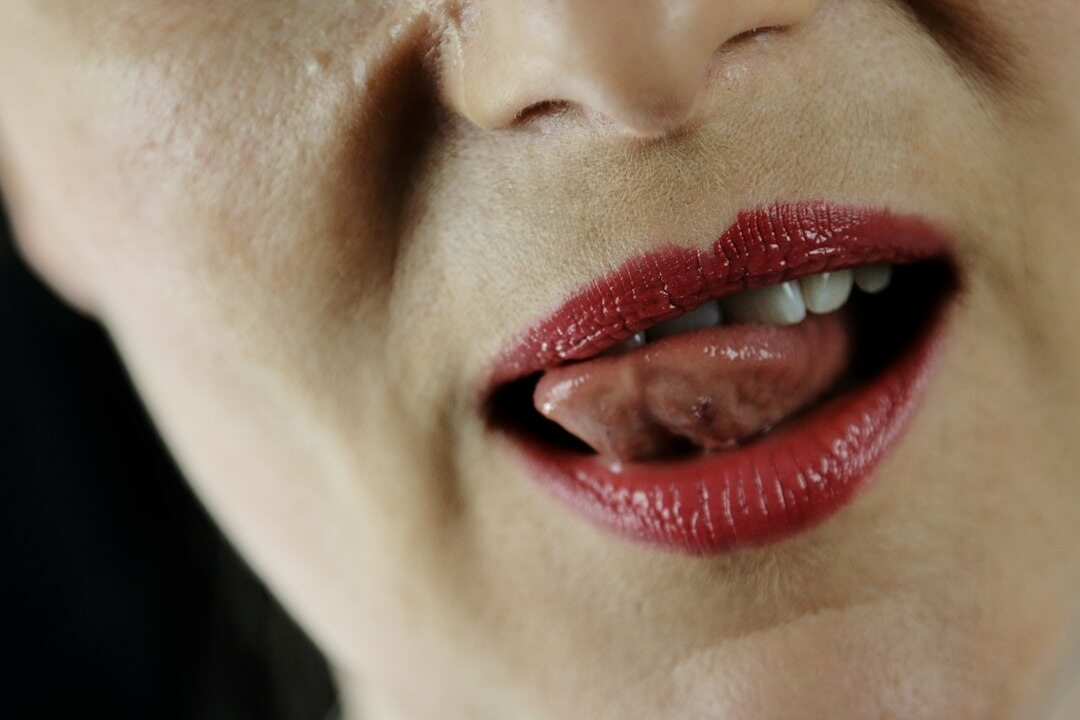
Another area is the j sound, which is like a soft h. Drills involving words such as jamón, jugo, and jardín help build familiarity. Pair them with silly sentences to keep things light, like Juan jugó con el jugo de jamón. The key is repetition without boredom, so add music or rhythm to your sessions.
Intonation and Rhythm Exercises
Spanish has a melodic flow that differs from English. Practice by mimicking full sentences with exaggerated emotion, like asking questions with rising intonation or making statements with falling tones. Use nursery rhymes or popular songs to internalize the cadence naturally.
Repetition is the mother of skill, but fun turns it into a habit you stick with.
Try shadowing techniques where you listen to a short clip and repeat it immediately, matching the speaker's pace and tone. Apps or podcasts make this easy and portable for daily practice on the go.
Advanced Drills to Polish Your Accent
Once basics are solid, tackle minimal pairs that highlight subtle differences, such as casa and caza. Create your own flashcards with pictures and say each pair aloud multiple times. Group practice with friends adds an element of competition and laughter, making progress feel shared.

Incorporate tongue twisters from different regions to expose yourself to variations in accent. Mexican, Argentine, and Spanish versions offer unique flavors that enrich your overall understanding. Keep a journal of tricky words you encounter and revisit them weekly.
Consistency beats intensity, so aim for short daily sessions rather than long weekend marathons. Celebrate small wins, like finally nailing that rolled r in a full sentence, to stay motivated.

Over time these drills transform your Spanish from functional to fluent sounding. The joy comes from hearing yourself improve and connecting more deeply with the language and its speakers.